
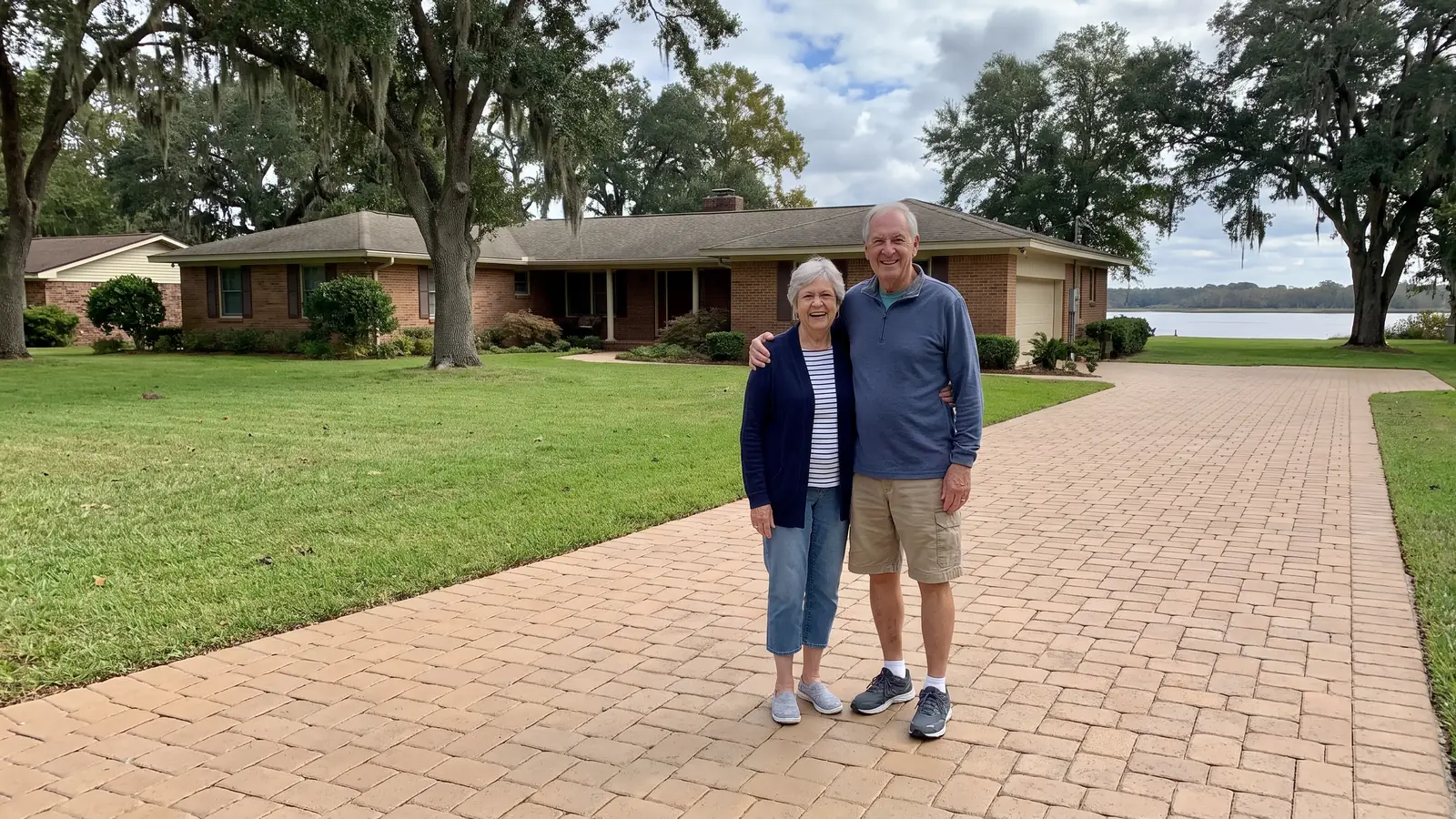
Paver sealing for San Jose homes
Paver Sealing in San Jose, FL
San Jose's water table can rise for days after heavy rain, so call (904) 621-4308 to time your paver sealing.
- Brings out deeper paver color
- Fresh joint sand helps lock pavers in place
- Gives weeds less room to grow
- Makes the surface easier to keep clean
- Free estimate, no obligation
Request a Free Estimate
Free, no obligation.
Fast, careful paver sealing in San Jose
Paver sealing is available across San Jose, from the oak-lined streets near San Jose Boulevard to the smaller lots away from the river. A local contractor handles the cleaning, re-sanding and sealing of driveways, walkways and patios, with a free estimate up front. Ring (904) 621-4308 or write in, and you will have an answer inside 1 business day, usually much sooner.
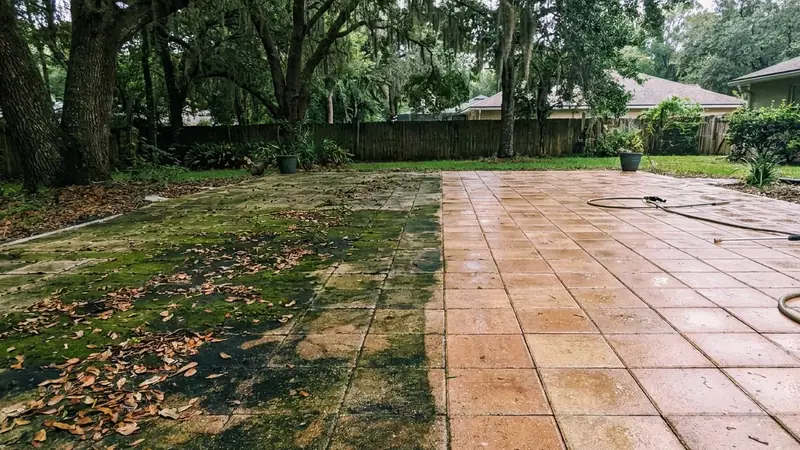
Picture a San Jose driveway after a wet week. The joints are dark, a brown film from oak leaves sits on the pavers, and one low corner stays damp. A cleaning, fresh sand and a new coat bring the color back, and water then beads on top instead of soaking in. To talk through what you see, request your free estimate and describe your driveway, walkway or pool deck.
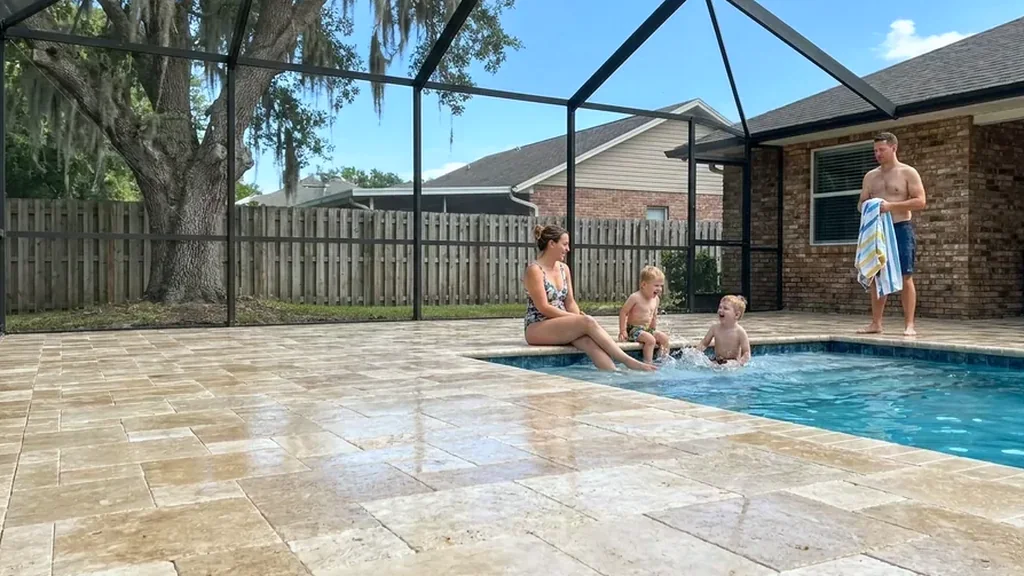
Why hire a local paver sealing contractor in San Jose?
San Jose homeowners tend to pick a local paver contractor because sandy ground, oak shade and decades-old lots all change when and how a job should run. To hear what that means on your street, call (904) 621-4308.
Look first, price second
Someone walks your San Jose lot and measures the pavers without charging a cent. A written price arrives before anything is booked.
A yardstick for bids
Published prices across Northeast Florida sit between $1.75 and $3.25 per square foot, cleaning through coat. Lay any San Jose bid beside that.
Rain-aware booking
Heavy rain can lift the water table in sandy ground for days, so a local contractor leaves slack in the calendar.
Final say stays home
Date, finish and go-ahead are all yours. Asking about San Jose pricing commits you to nothing.
Get Your Free Estimate in San Jose
Tell us about your pavers in San Jose.
Free, no obligation
What paver problems show up most in San Jose?
Slow dry-out after heavy rain
The USDA describes the Ortega soil series, first described in Duval County, as moderately well drained sand. It says the water table rises above 48 inches for about 1 to 10 days after heavy rains in wet periods. The Census counts 3.753 square miles of water against 5.376 of land in the San Jose ZIP code. Wet ground keeps pavers damp, and one Jacksonville company says nearly every white sealer call traces to damp pavers or too much product. The wait for a dry surface is part of every San Jose job.
Brown film under the big oaks
Wikipedia says most San Jose homes sit under large oaks with draping moss. Leaf tannins from street oaks are among the stains a Jacksonville sealing company says driveways collect. A cost guide adds that tree-shaded patios need extra cleaning for algae, mildew and leaf tannin. If your walk runs under those branches, expect the stain to start where the sun rarely reaches.
Joint sand that keeps leaving
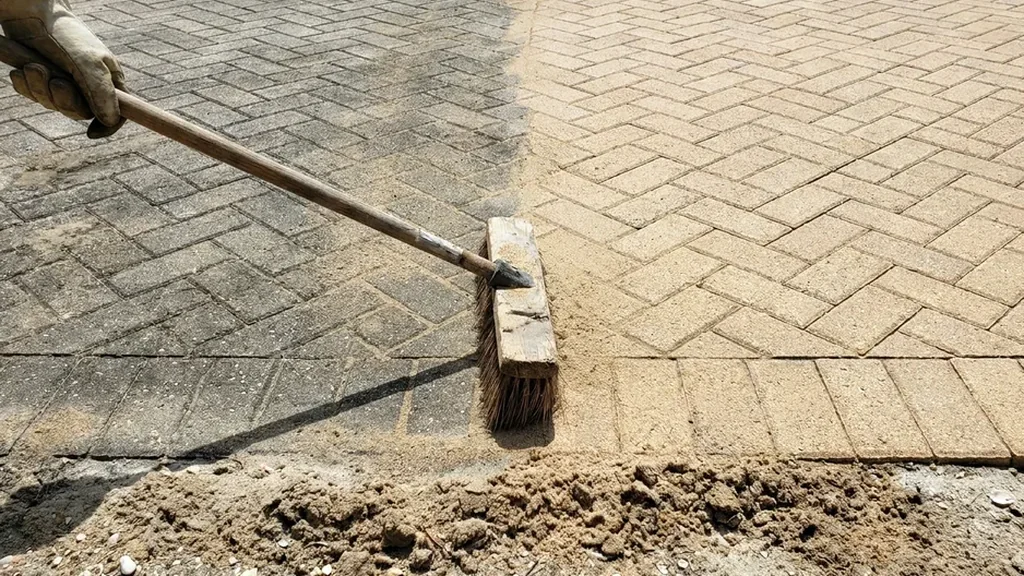
A Jacksonville paver company says summer downpours flush sand out of unsealed joints, and the city averages about 52 inches of rain a year. Weeds tend to show up where joints have widened from lost sand and soil has settled in. That means the weeds you pull each month often started as missing sand. Washing pulls out more sand, so it has to be put back before any sealer goes on.
Old sealer nobody remembers
San Jose has homes from the 1920s, the postwar years and the 1980s, so many pavers have had more than one owner. One Jacksonville company says pavers sealed before with an oil-based product must be stripped first, about 10 to 20 percent of its projects. A cost guide says white, hazy or flaking sealer has to come off before a new coat. Whatever is on the surface sets the rules, since water-based sealer cannot go over solvent-based.
Rust and fertilizer spots from the lawn
Wikipedia notes that most San Jose homes have grassy lawns with bushes and flower beds. One Jacksonville company says driveways collect rust from irrigation water and fertilizer stains blown off the lawn. University of Florida extension notes that most well water in the state is high in iron, which can leave rust deposits. Those marks get pre-treated before sealing, and the company says some deep stains will not come out completely.
What should a San Jose homeowner check before booking a paver sealing day?
Check three things: your HOA, your historic status and how fast your ground drains. San Jose includes gated communities and planned developments, and under Florida Statute 720.3035 an HOA board may require an owner to follow an existing unified building scheme for outside appearance. A finish that changes color, such as a wet look, is worth asking your board about first. Call (904) 621-4308 once you know your rules, and the contractor can match the finish.
Historic rules apply to some addresses and not others. In local historic districts and on local landmarks, Jacksonville wants a Certificate of Appropriateness before exterior work, and driveways are on its list. Six houses on Via de la Reina went on the National Register in 1985, and Epping Forest at Christopher Point joined it in 1973. The city's Land Development Map shows which rules apply to your address, and you can request your free estimate once you have checked it.
Then look at your ground. The USDA says the sandy Ortega soil series drains moderately well, yet its water table rises for about 1 to 10 days after heavy rain in wet periods. That is why a San Jose job can slip a few days after a storm, and why a contractor may want to see your low corner first. Tell them which spot holds water when you call (904) 621-4308.
What does paver sealing cost in San Jose?
Across Northeast Florida, published prices for cleaning, sanding and sealing run $1.75 to $3.25 per square foot. Where a San Jose job lands in that range depends on shade growth, lost joint sand and any old sealer that has to be stripped. A driveway with a walkway and a pool deck adds area, so the total grows even when the rate holds. For a number on your pavers, request your free estimate, and the estimate is free.
Access moves the price too. A wide driveway off San Jose Boulevard is simpler than a tight side yard on a small lot, where gear gets carried by hand. One Jacksonville guide says prep drives cost, from cleaning and joint sand to stripping failed sealer. Call (904) 621-4308 and the contractor can sort out, before any work begins, which of these fit your lot.
| Paved area | Typical example | Clean, sand and seal |
|---|---|---|
| 300 sq ft | Small patio or walkway | $525 to $975 |
| 600 sq ft | Two car driveway | $1,050 to $1,950 |
| 1,000 sq ft | Large driveway or pool deck | $1,750 to $3,250 |
| 1,500 sq ft | Driveway plus pool deck | $2,625 to $4,875 |
Math based on the $1.75 to $3.25 per square foot that Northeast Florida paver companies published as of November 2026. Your contractor sets the actual price after seeing the surface. Repairs, leveling and stripping failed sealer are usually extra.
How does a paver sealing job work in San Jose?
Look at the lot and where water sits
The contractor starts by walking your San Jose property to see where rain collects and where oak branches hang low. Sunken or lifted spots get reset before sealing, because one Jacksonville company says sealing locks in whatever is there. Tell the contractor about any HOA rules or gate hours at this stage. That keeps the truck from turning up at the wrong time, and it lets the contractor plan around a gate code or a quiet-hours rule.
Wash off the leaf stain and mildew
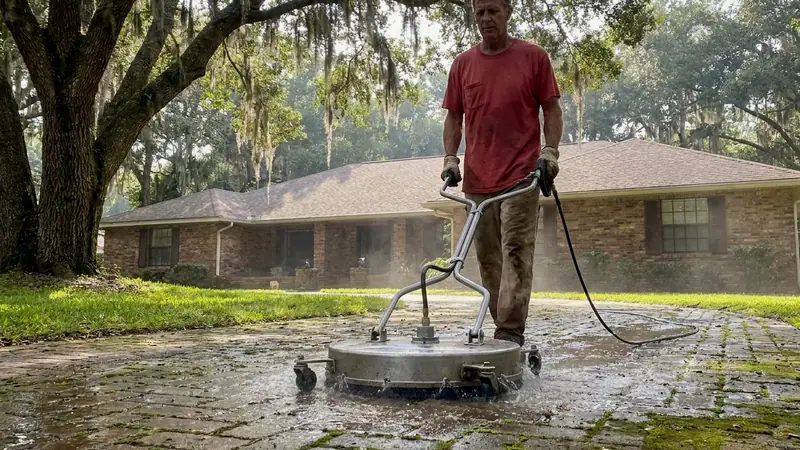
Cleaning comes next, with extra time on shaded walks where algae, mildew and leaf tannin build up. Oil and rust spots get pre-treated. Rinse water stays off wood-frame siding and stucco wherever the pavers meet the house. Some deep stains may not come out completely, and a straight contractor tells you that up front. Ask what the plan is for any spot that stays faint.
Put the sand back in the joints
Since washing removes joint sand, fresh sand goes back in before any sealer. On sandy Duval County ground, open joints let soil settle in and give weeds a start. One Jacksonville paver company says its joint sand comes in six colors to match any paver. The joints get filled, the surface gets swept clean, and any extra sand is brushed away so it does not sit on top of the pavers.
Wait until the pavers are dry
Sealer needs a dry surface, and one Jacksonville company says never to seal over a damp surface or right before a forecast downpour. After a storm, the water table in sandy soil can stay high for days. A shaded San Jose patio can take longer to dry than a sunny drive. A careful contractor waits rather than sealing damp pavers, even if that moves your date by a day or two.
Spray, back-roll and pick the finish
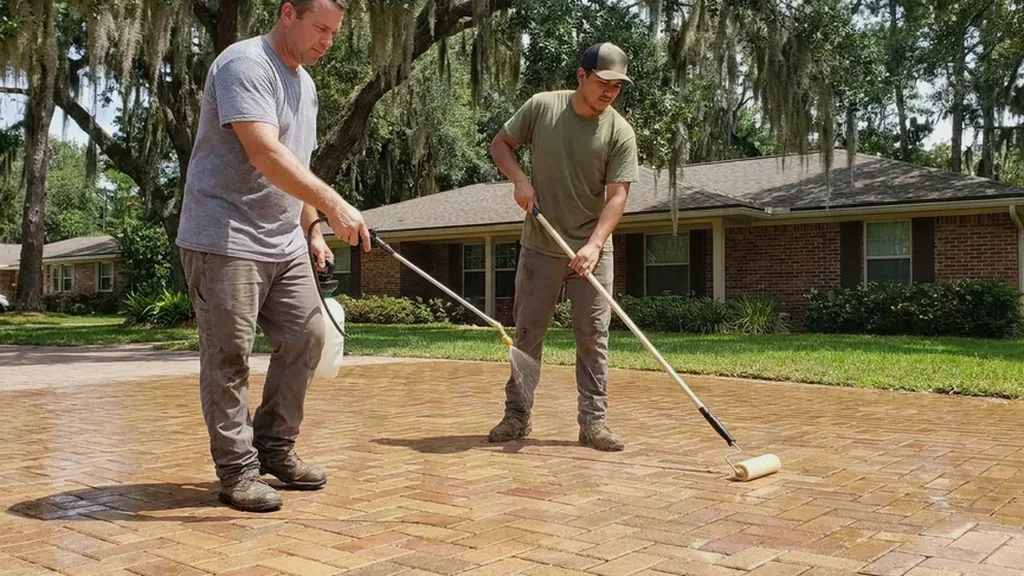
Last comes the coat, in whichever finish you settled on. A Jacksonville company says pros typically spray and back-roll, for even coverage that works into the joints. A wet look shows scuffs sooner than matte, which matters on a driveway with daily tires. Going by what companies commonly quote, a coat runs two to five years, and foot traffic is usually fine within a few hours.
Complete paver services in San Jose
Think of a San Jose job as a ladder with four rungs. First the wash takes off leaf tannin and mildew. Then sand refills the joints, the surface dries, and the coat goes on at the top so nothing grimy sits beneath it. To hear how long each rung takes at your house, call (904) 621-4308.
San Jose surfaces age at different speeds. Tires and sprinklers beat up the driveway, oaks drop stain onto the front walk, and the back patio stays damp longest after a storm. Mention each one when you request your free estimate, and the contractor can price them separately.
Picking a sealer starts with what an earlier owner used. A solvent-based coat blocks a water-based one, so the old product decides your options. After that comes matte versus wet look, and wet shows scuffs sooner. Call (904) 621-4308 to work through the choice for your San Jose home.
Calendar choices here follow the weather. Jacksonville's rain arrives mostly from May to September in short, hard bursts, and November through April is the drier stretch. Expect the contractor to wait a few days after a soaking. For a date that suits your street, request your free estimate.
Questions to ask before you hire
- How do you keep leaves and pine needles from landing in the wet sealer?
- Can I still get my car in and out of the garage while the driveway dries?
- What do you use to put the sealer down, a sprayer or a roller?
- Will you haul off the old sand and the dirt you wash out?
- Is there a smallest job you take, such as a front walkway on its own?
- If you find more damage once you start, how do you handle the extra cost?
- How do you wash the pavers without blasting the sand out of the joints?
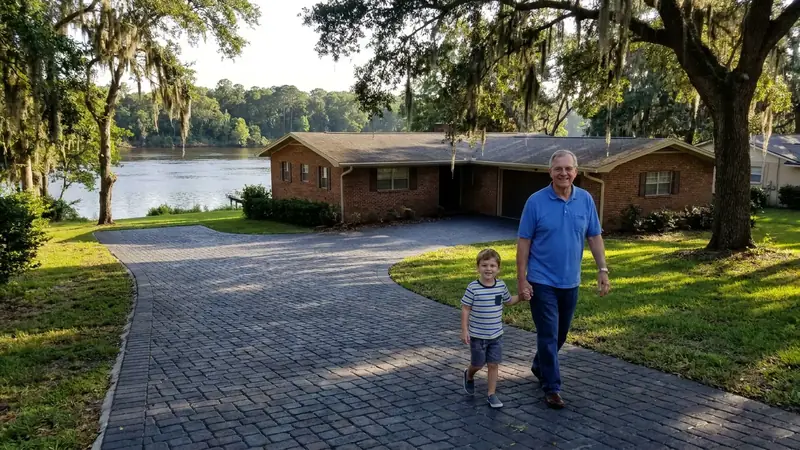
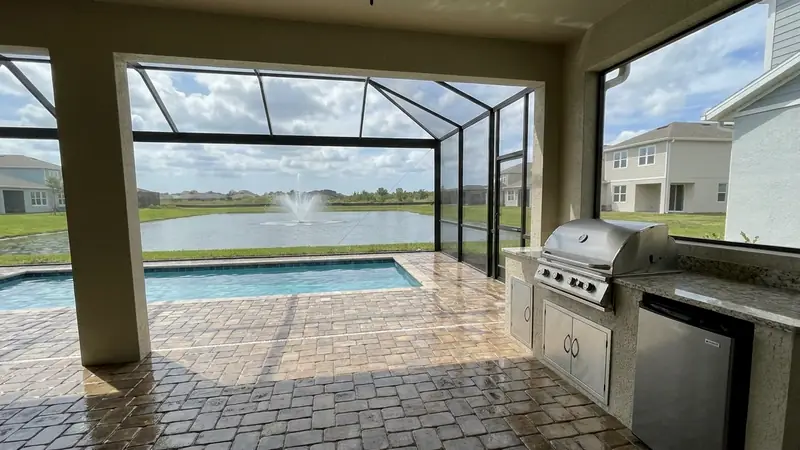
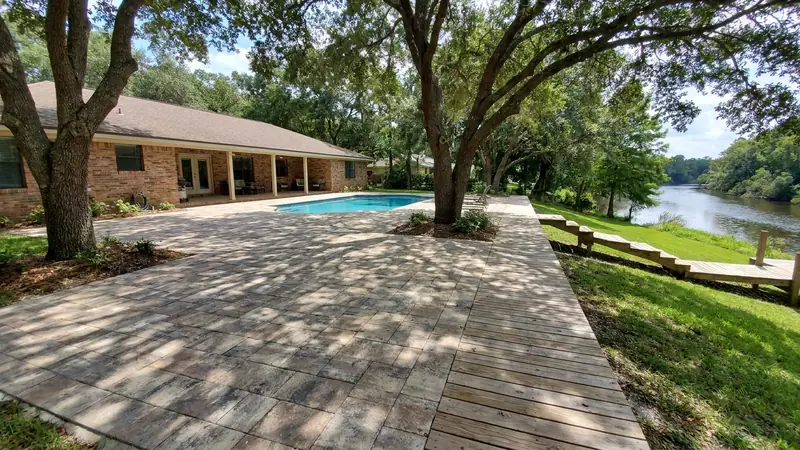
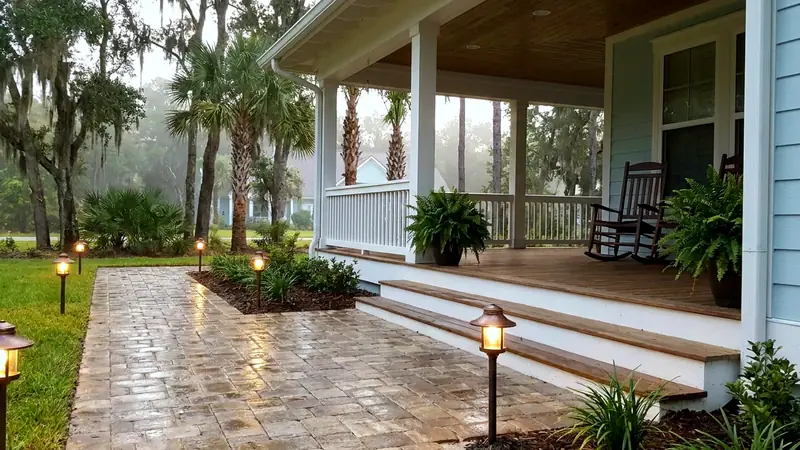
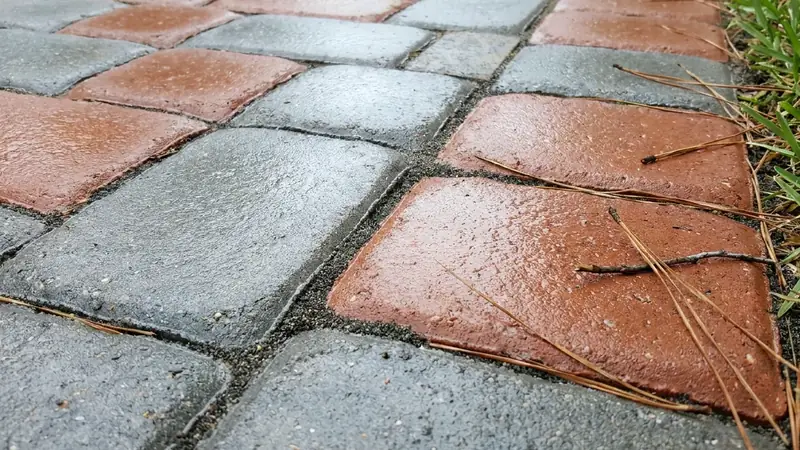
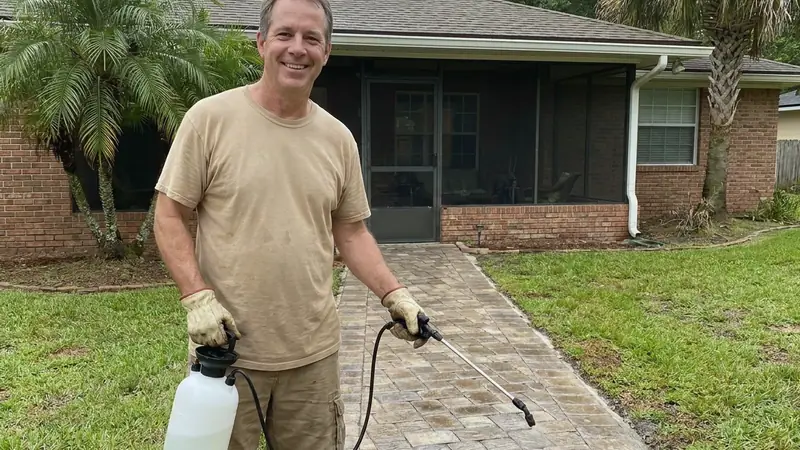
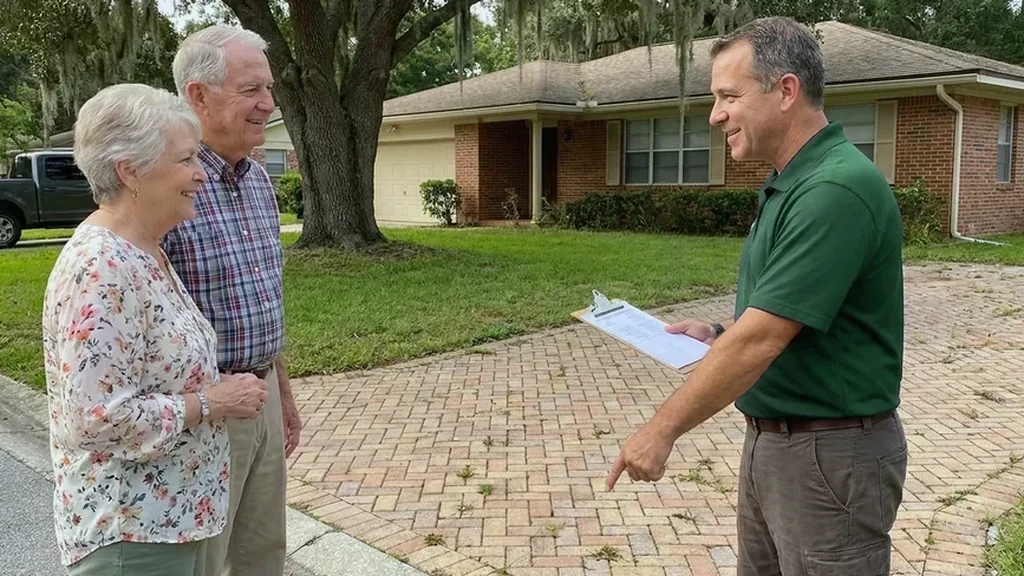
What do sealed pavers look like around San Jose?
Why local matters in San Jose
A contractor who works San Jose will ask where water sits on your lot after a storm. That one answer tells them how long to wait before sealing and whether the joints need extra sand. Someone from across the county may not think to ask. To talk with a contractor who works in San Jose, call (904) 621-4308.
Local knowledge shows up in the house, too. San Jose has Spanish Revival bungalows, midcentury ranches, small wood-frame starters and big waterfront homes side by side. Each puts pavers against a different wall, so rinse water and cleaners need different care. If you are not sure what your home is built from, request your free estimate and say when it went up.
Rules also differ from street to street. One Southside paver company says gated communities may limit contractor hours and vehicle access, and it advises telling the company about guard gates and visitor lists. A local contractor knows to ask before the truck arrives. Call (904) 621-4308, mention your gate or HOA, and the contractor can plan around it with no obligation.
Which parts of San Jose were built when, and why does that matter for my pavers?
Most of San Jose filled in after 1947, with a second wave in the 1980s. That year Stockton, Whatley, Davin and Company bought most of the area, lots were re-platted, and postwar homes went up on the open land. The Villages of San Jose followed in the 1980s on the former Beauclerc Country Club grounds. Pavers added to a home from either wave may have been through many seasons, so request your free estimate if yours have not been sealed lately.
The original San Jose Estates came earlier. The first phase sold out by August 10, 1925, the San Jose Hotel opened on New Year's Day 1926, and by the end of that year 37 structures stood. The hotel is now Bolles Hall at The Bolles School, which opened there in 1933, and 21 original Mediterranean Revival homes remained as of 2025. If you live close to one of these landmarks, call (904) 621-4308 and give your street.
Frequently Asked Questions
What makes paver sealing cost so much in San Jose?
Most of the bill is labor before any sealer comes out: washing, refilling joints, stripping a failed coat and working around tight spots, according to a Jacksonville cost guide. The product itself is the smaller part. Published prices of $1.75 to $3.25 per square foot reflect all of it.
What does it run to re-sand and seal a San Jose driveway?
Figure on $1.75 to $3.25 for every square foot, covering the wash, the sand and the coat. Shade growth, lost sand and old product push a San Jose job upward within that band. Get the total area written on the quote.
How long does sealing last on San Jose pavers?
Expect somewhere between two and five years, the span companies commonly quote. One Jacksonville company puts shaded, lightly walked patios at about 24 to 36 months and full-sun driveways at about 18 to 24. A second says water that stops beading means a fresh coat is due.
Which water-based sealer suits a San Jose driveway?
Whichever one can go over what is there now. A water-based coat cannot be laid over a solvent-based one, so the contractor first works out what was used before. Have the product named on your estimate.
Does a San Jose HOA or historic rule affect sealing?
Possibly. Florida law lets an HOA board hold owners to an existing unified scheme for outside appearance, and the city asks for a Certificate of Appropriateness in local historic districts. The city's Land Development Map shows whether your address falls in one.
How soon after rain can San Jose pavers be sealed?
Once they are clean and truly dry. A Jacksonville company advises against sealing a damp surface or right ahead of a forecast downpour. Since water can sit in sandy ground for days, ask the contractor to check your lowest corner.
Do oak leaves hurt newly sealed pavers in San Jose?
They leave brown tannin marks at worst, and a cleaning deals with those. A Jacksonville company says sealer keeps oil, grease and dirt resting on top rather than soaking in. Walks under heavy oak cover may simply need attention sooner than a sunny drive.
Can a San Jose driveway with sunken pavers still be sealed?
Only after the low spots are reset. A Jacksonville company says sealing locks in whatever is there, dips included. Show the contractor each sunken spot at the first visit so the repair is planned before the coat.
Can San Jose pool decks be sealed with the same product as a driveway?
Often not. A natural or matte penetrating finish is called breathable and the safest choice near pools by one Jacksonville company. Washing keeps rinse water out of the pool, and pressure is matched to the surface. Tell the contractor what your deck is made of when you ask for an estimate, so the right product is priced from the start.
Nearby areas we serve
Ready for a Free Estimate in San Jose?
Call (904) 621-4308 and tell us about your pavers.
Free, no obligation